
How a QR menu on the table boosts orders
Why restaurants and cafés switch to a digital menu — and what it does to the average check and to staff workload.
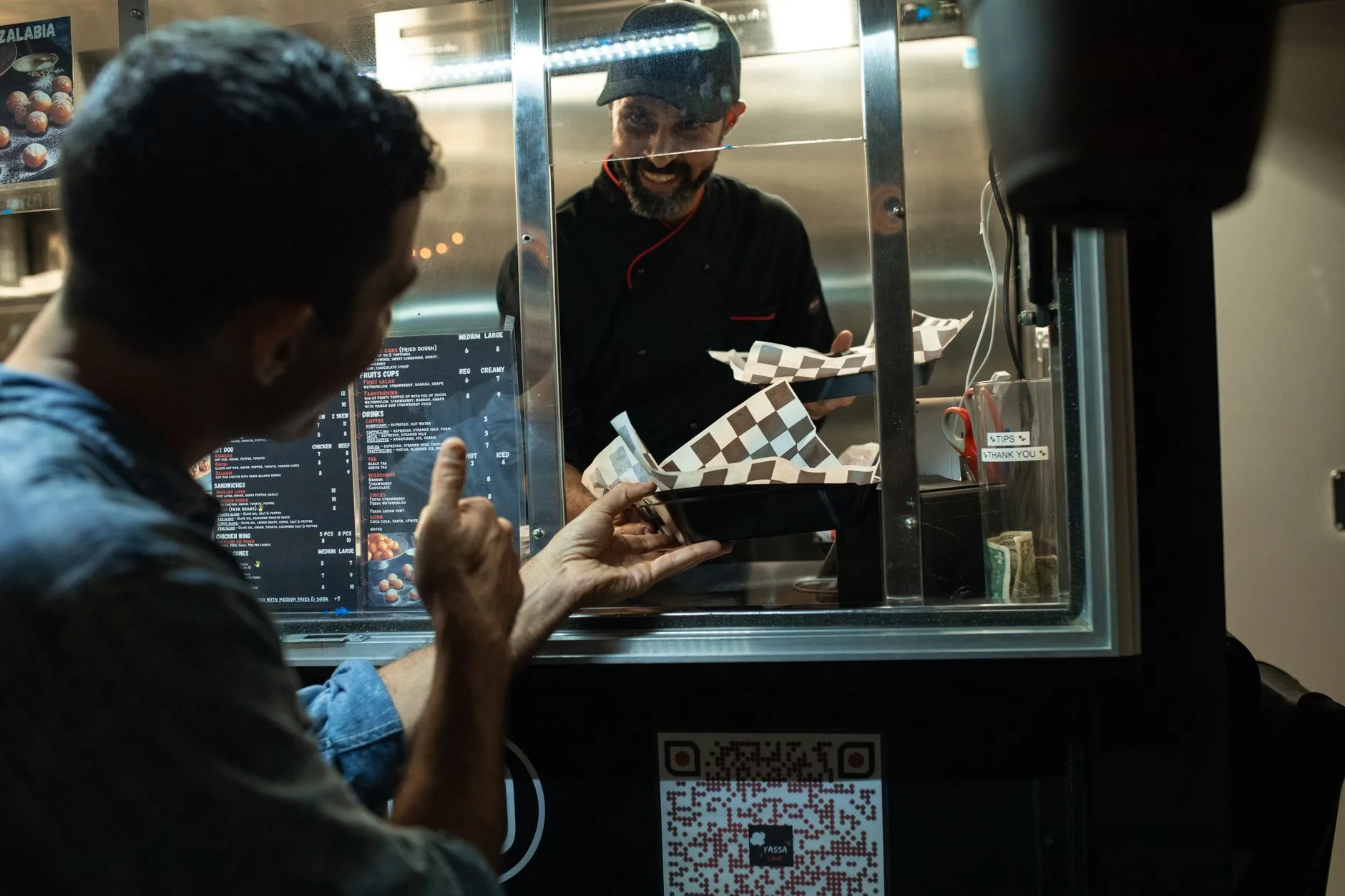
The QR code on the table is no longer a “covid measure” — it has become a smart sales tool. Here is what changes when your menu is digital and lives on your own page.
The menu is always current
Run out of a dish or change a price? You do it in the dashboard and every table sees the update a second later. No reprinting, no crossed-out lines, no awkward chats with a guest about something that is gone.
Guests order more
Photos, descriptions and tags (“vegan”, “spicy”, “new”) sell on behalf of your staff. When a guest sees an appetising photo and a clear description, the average check rises — and the undecided make up their minds faster.
In the guest’s language
Tourists see the menu in their own language in one click — no waiting for the waiter to translate. For venues in resorts and big cities, that is a direct difference in the tip and in the impression.
Lighter staff, fewer mistakes
When the menu answers half the questions (allergens, ingredients, prices), the team focuses on service. Fewer explanations, fewer order mistakes, faster table turnover.
And one more thing — data
Every QR code is tracked separately, so you see how many scans come from the tables, the window or the sticker at the till. That is marketing insight a paper menu will never give you.
In uBrand the menu is a Products section with categories, prices and photos, and the QR code to it is generated in one click. Stick it on the table and you are done.